

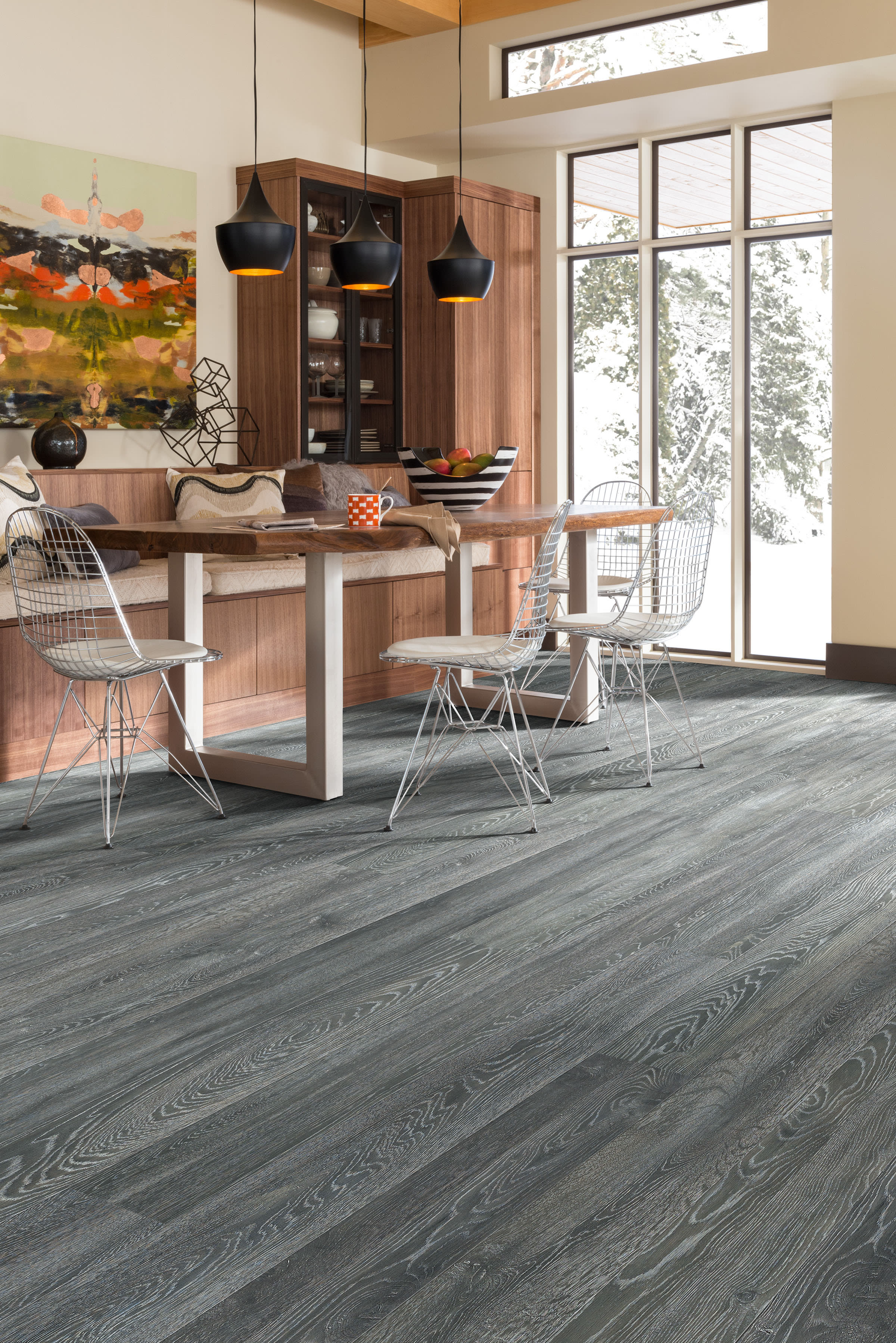
Laminate flooring consists of multiple layers, typically including a backing layer, a core layer made of high-density fiberboard (HDF), a decorative layer that mimics the appearance of wood or tile, and a protective top layer. These layers are fused together using high heat and pressure, resulting in a sturdy and resilient flooring material.
Expansion and Contraction Factors
Laminate flooring, like hardwood, is hygroscopic, meaning it can absorb moisture from the surrounding environment. Changes in temperature and humidity levels can cause the planks to expand or contract. Here are some factors that can influence the expansion and contraction of laminate flooring:
- Humidity Levels: High humidity levels can cause laminate flooring to swell and expand, while low humidity levels can lead to contraction and gaps between the planks. It's essential to maintain consistent humidity levels in your home to minimize these fluctuations.
- Temperature Changes: Extreme temperatures can also affect laminate flooring. Cold temperatures can cause the planks to contract, while heat can cause them to expand. Proper insulation and climate control can help mitigate these effects.
- Moisture Exposure: Exposure to water or other liquids can cause laminate flooring to swell and warp. It's crucial to clean up spills promptly and avoid excessive moisture in areas such as bathrooms, kitchens, and basements.
What to Be Aware Of
As a homeowner considering laminate flooring for your space, there are several key points to be aware of regarding expansion and contraction:
- Acclimation: Before installation, it's essential to acclimate the laminate flooring to the environment where it will be installed. This process allows the planks to adjust to the temperature and humidity levels of the room, reducing the likelihood of significant expansion or contraction after installation.
- Expansion Gaps: To accommodate for potential expansion, it's necessary to leave expansion gaps around the perimeter of the room and any fixed objects such as cabinets or pillars. These gaps allow the flooring to expand without buckling or lifting.
- Proper Installation: Hiring a professional installer who understands the nuances of laminate flooring installation is crucial to ensuring a successful outcome. Proper installation techniques, including the use of underlayment and adhesive where necessary, can help minimize the effects of expansion and contraction.
- Maintenance: Regular maintenance, including keeping the floors clean and dry, can help prevent issues such as warping or delamination due to moisture exposure.
Visit Floorama for Expert Advice
At Floorama, we're dedicated to helping you find the perfect flooring solution for your home. Our experienced team can provide expert advice on laminate flooring options, installation techniques, and maintenance tips to ensure your floors remain beautiful and durable for years to come. Visit our showroom in Rochester Hills, MI, serving Rochester Hills, Rochester, Washington, Oakland Charter Township, and Troy, MI, to explore our wide selection of laminate flooring products. We're here to help you make the right choice for your space.


